Common Source B.V. was founded in November 2025 as the successor to Amped Concepts B.V., which operated from January 2013 to October 2025. Amped built its track record in Utrecht and Amsterdam, from the Food-y-Market farmers' market and the first regional farmer collective in its early years, through the launch of the Local2Local short food chain platform in 2015, to developing the GAIN Transition Model in 2017, helping lead the EU Horizon 2020 Smartchain project from 2018, to supporting and growing an international community of talented young change makers.
This decade of hands-on work with youth, farmer collectives, regional governments and knowledge institutions produced the working methods, technology and network that Common Source now carries forward.
Common Source continues that mission under a new name and a more explicit framework: COMMONSource, a governance structure to scale up robust, regional and regenerative food systems that combines living labs, connected networks, an IT and blockchain platform, a rollout process, a research and writing office, and a co-creation platform. The company builds partnerships for a learning ecosystem of food networks — bottom-up and top-down — bridging today's food system with emerging markets through inspiration, co-creation and co-development, most visibly through its Cities Leading Food Production programme. Regional rollout processes are currently active in Amsterdam, Utrecht and Copenhagen, with new regions in preparation across Africa, the Middle East, Asia and North America.
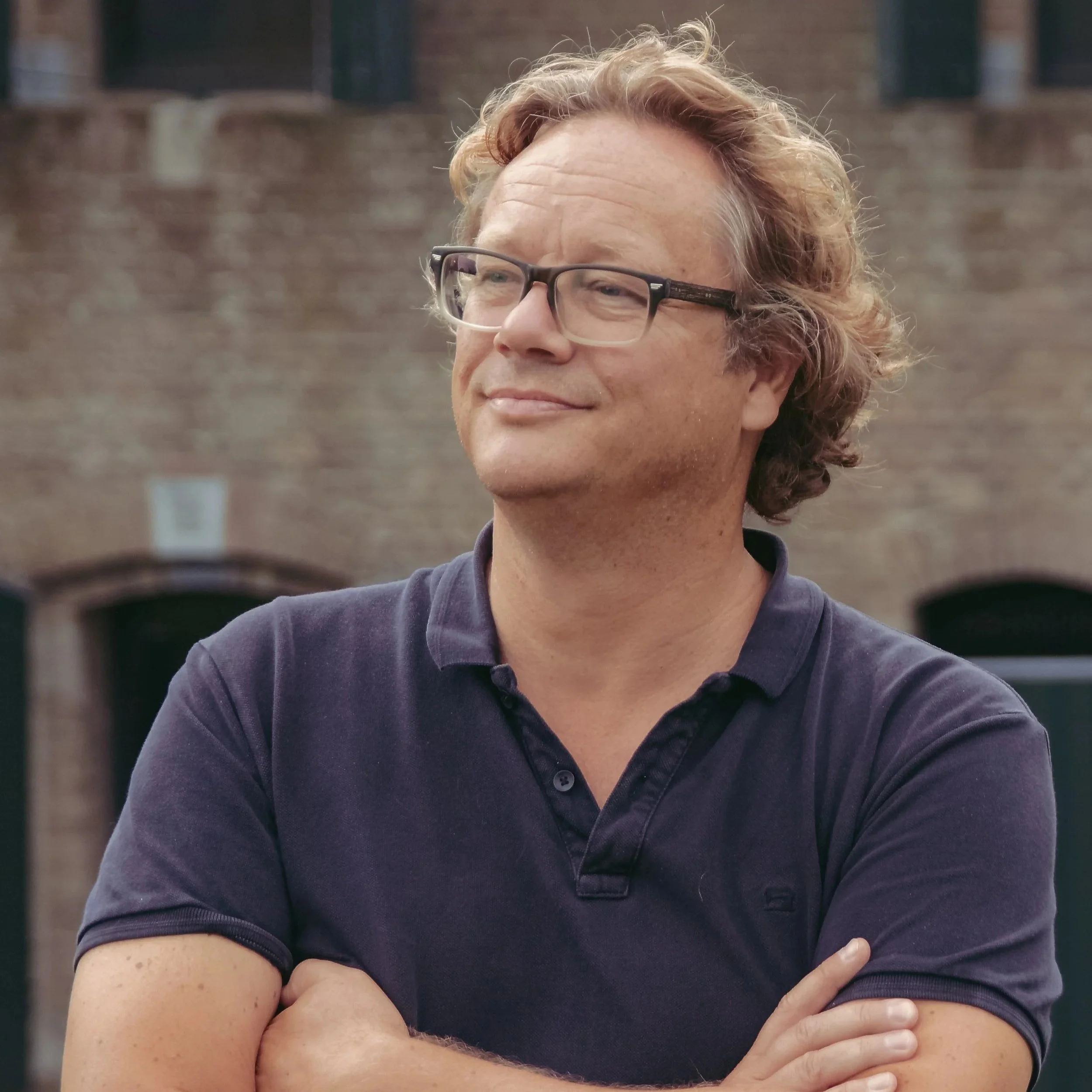
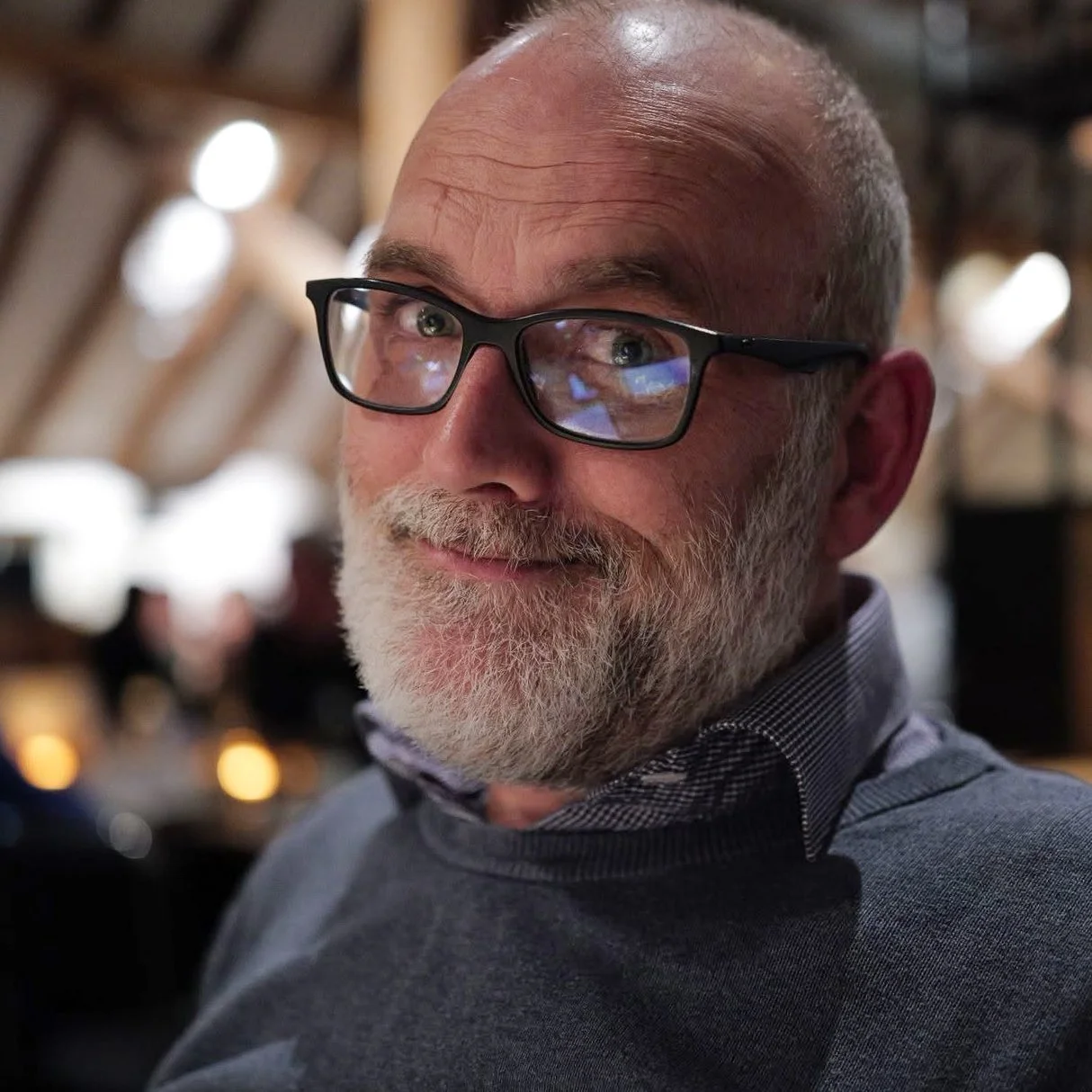
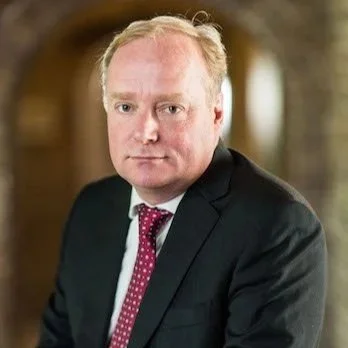
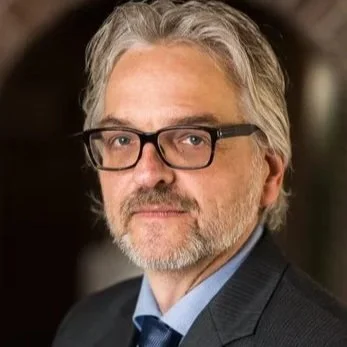
Common Source is based at Fort 't Hemeltje in Houten, the Netherlands, and remains led by the same team that built Amped, now supported by a widening circle of partners, spanning farmer networks, universities, municipalities, EU institutions and technology providers such as BSV Association.
Where Amped proved the model regionally, Common Source is built to scale it — applying a decade of on-the-ground experience, a validated activation methodology, and a blockchain-based digital infrastructure to help cities and regions worldwide develop food systems that are transparent, resilient and rooted in local production.